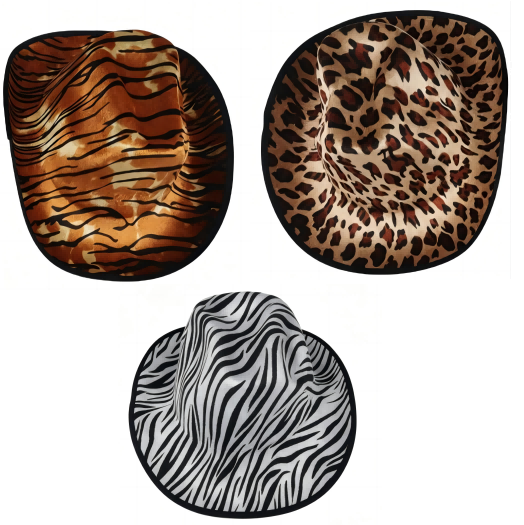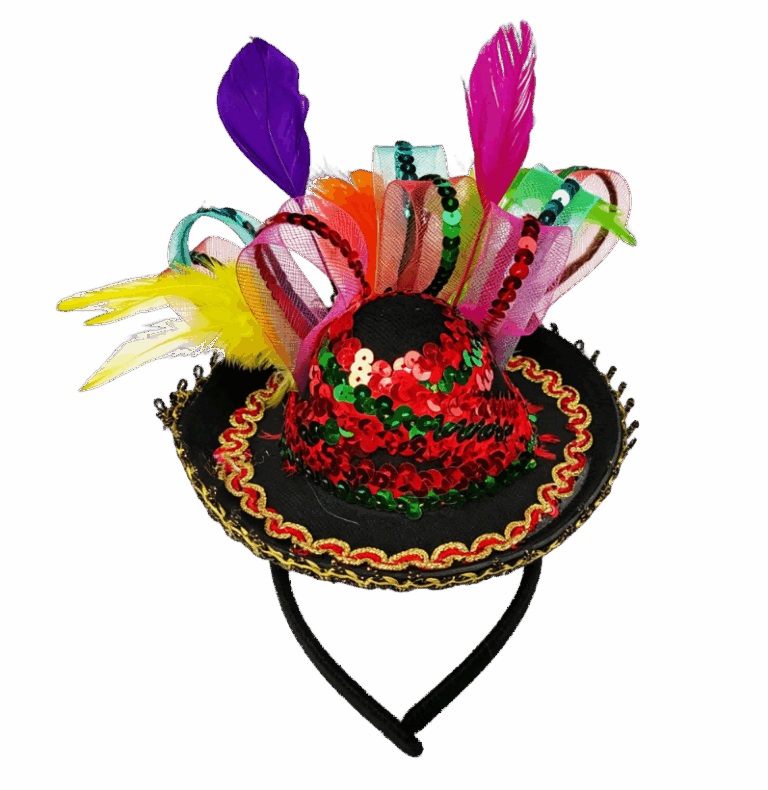
The parade ends at six. By seven, crews are sweeping drains, lifting cups from curbs, and pulling shiny plastic from hedges. That unglamorous hour is where eco-friendly carnival parades prove their worth. If confetti, props, packaging, transport, and cleanup are planned together, you can keep the color without leaving a street full of litter.
The useful goal is simple. Buy less disposable material, choose items that have a credible end-of-life route, and reuse what can survive another event. A broad carnival product collection can help you compare hats, clothing, masks, bags, and accessories as one coordinated range rather than a pile of one-off purchases.

What Makes Carnival Confetti a Better Environmental Choice?
The word biodegradable on a listing is only a starting point. Ask what the confetti contains, where it breaks down, how long that takes, and whether local composters will accept it. Rain, drains, animals, and street-cleaning rules matter too. A product can break down eventually and still be a poor choice beside a river.
Check the Material Before You Buy
Good biodegradable confetti is commonly made from uncoated tissue paper, dried leaves, flower petals, or clearly specified plant-based material. Avoid metallic film, plastic glitter, foil coating, and mixed-material pieces that cannot be sorted. If a seller calls something compostable confetti, request the material declaration and any relevant test information. Home-compostable and industrial-compostable are different claims.
For large orders of wholesale biodegradable confetti, get a sample wet, rub it on pale fabric, and check whether dye transfers. Scatter a measured handful on pavement, then time how long collection takes. Pretty photos will not tell you whether 40 kilograms of tiny stars stick to damp cobbles.
Match the Confetti to the Site
Loose confetti may be banned even when the material breaks down. Speak with the venue, municipality, and cleanup contractor before ordering. Near waterways or sensitive habitats, use contained effects, hand-held streamers that performers retain, or no-release photo moments. Place release zones away from drains and set collection points along the route.
How Can Sustainable Props Stay Bright and Practical?
Most of a prop’s footprint sits in its material, production, shipping, and disposal. Reusing it across several parades spreads that load. Start with a modular frame, replaceable graphics, and fasteners that crews can undo without destroying the parts.
Build for Repair and Reuse
Choose sustainable carnival props made from durable fabric, responsibly sourced paperboard, reclaimed timber, or recycled-content panels suited to the weather. Screws, ties, sleeves, and clips make repair easier than permanent glue. Keep spare straps and matching paint in the parade kit. It sounds fussy until a wheel arch tears an hour before lineup.
Design reusable parade props around standard sizes so banners and panels fit next year’s frame. Date-free graphics also last longer. Store each piece dry, label its box, photograph the packed arrangement, and record small repairs while the crew still remembers them.
If the design includes wearable pieces, compare the party accessory range early. A mask, bag, necklace, and hand-held prop should share colors without forcing every participant to carry a disposable item.
Use Recycled Material with Care
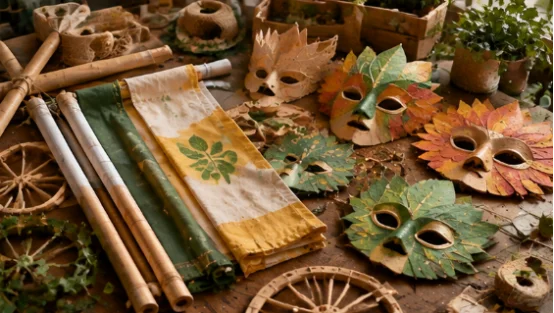
Recycled carnival decorations can include cardboard rosettes, fabric offcuts, repainted signs, and reclaimed display panels. Check structural strength, sharp edges, flammability, colorfastness, and outdoor performance. Recycled content does not excuse a weak prop that fails after one afternoon.
The same filter applies to eco-friendly parade decorations. Ask whether parts separate after use and whether your local system accepts them. Mixed glitter, laminated board, and glued foam are difficult to recover, even when the base material sounds harmless.
What Should You Ask a Supplier Before Ordering?
A vague green label shifts the risk to you. A capable carnival supplies supplier should answer specific questions about material composition, samples, packing, quality checks, and customization. Put the answers on the approval sheet before the bulk order starts.
Verify Claims, Samples, and Packaging
Request current documentation for the exact SKU and destination market. Do not assume a certificate shown for one toy covers confetti, fabric props, or food-contact items. For plastic-free carnival supplies, inspect the product, inner bag, label, tray, and shipping filler. A paper prop wrapped in several plastic layers misses the point.
Ask for a preproduction sample of custom carnival decorations with the final color, artwork, fastening method, and retail pack. Test it outdoors, pack it again, and let the cleanup team handle it. That last check catches awkward shapes and materials that cannot enter the planned waste stream.
Plan Quantity, Freight, and End-of-Life
Order from a route plan and participant count rather than a generous guess. Consolidated cartons, compact nesting, and reusable transit boxes can cut wasted space. When buying bulk eco-friendly party supplies, confirm carton dimensions, lead time, inspection points, replacement terms, and whether your own freight forwarder can manage the shipment.
Write a one-page end-of-life map for every material. Mark it reuse, repair, recycle, compost, donate, or residual waste. Add labeled collection stations and brief volunteers before the crowd arrives. Public transport guidance, energy-efficient lighting, portion-aware food service, and compostable or recyclable food packaging round out a credible parade plan.
How Can One Coordinated Range Simplify Responsible Sourcing?
Once the material rules and recovery plan are fixed, sourcing becomes a coordination job. YZ Party specializes in party supplies and products for international festivals, while its carnival range covers hats, party clothing, masks, necklaces, bags, and other accessories. That mix can help buyers build a reusable theme across several product types instead of treating each prop as a separate project.
The supplier’s official service information says customers can submit AI, EPS, PDF, or PS artwork, review samples, and approve them before patterned production. It also states that toy products ship after inspection and that buyers may use their own freight forwarder, with support for booking, transport, container loading, bills of lading, and electronic release. For sustainable party supplies, you should still request material proof and packaging details for each SKU. The practical advantage is controlled sampling and shipment coordination, not a blanket environmental claim.
FAQ
Q1: Is All Paper Confetti Biodegradable?
A: No. Plastic film, foil, glitter, heavy coatings, and some inks can change how paper breaks down. Ask for the full material specification.
Q2: Can Biodegradable Confetti Be Left on the Street?
A: Usually no. Local rules may require collection, and loose pieces can enter drains or habitats before they break down. Plan a release zone and cleanup crew.
Q3: What Makes a Parade Prop Reusable?
A: A sturdy frame, replaceable graphics, repairable fasteners, weather-suitable materials, and proper storage give a prop a realistic second life.
Q4: How Do You Check an Environmental Product Claim?
A: Ask what the item contains, which standard supports the claim, where it will break down, and whether your local waste service accepts it.
Q5: What Should Be Included in a Supplier Brief?
A: Include quantities, dimensions, artwork, materials, restricted substances, packaging limits, samples, inspection points, delivery date, and the end-of-life route.