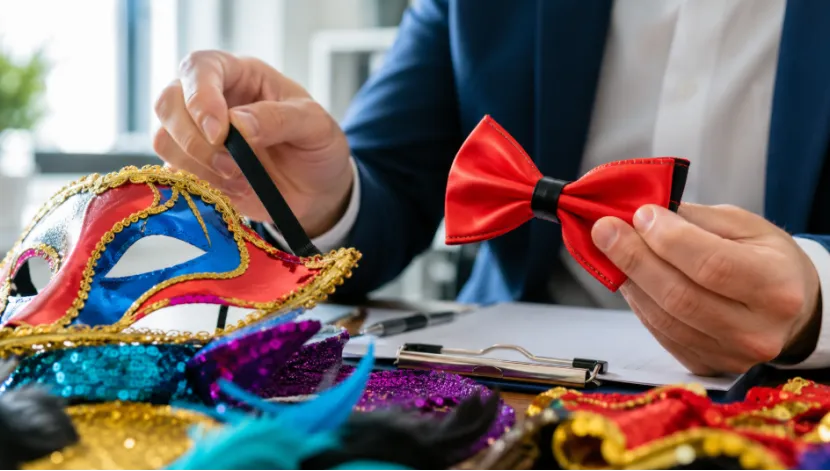
Getting carnival supplies for stores, parades, school parties, or big sales? Looking fun is just part of it. You must also check if the stuff is safe and comfy. It needs to keep its color and pack easily for bulk sales. A shiny bow tie might look great in pictures. But what if it scratches someone’s neck? Or what if the glitter drops off right away?
Customers will complain fast. Good carnival supplies materials matter. Also, strict carnival supplies quality standards stop returns. They keep your brand looking good and bring buyers back.
What Materials Are Commonly Used in Carnival Supplies?
Party gear includes lots of little things. So, materials change based on the item. The smartest move for buyers is simple. Think about how people will wear, touch, keep, and ship the product. A hat handles different wear and tear than a mask, suspender, or party necklace.
Fabric Materials
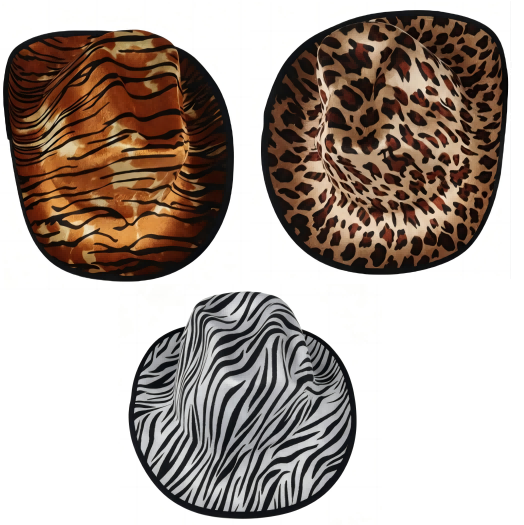
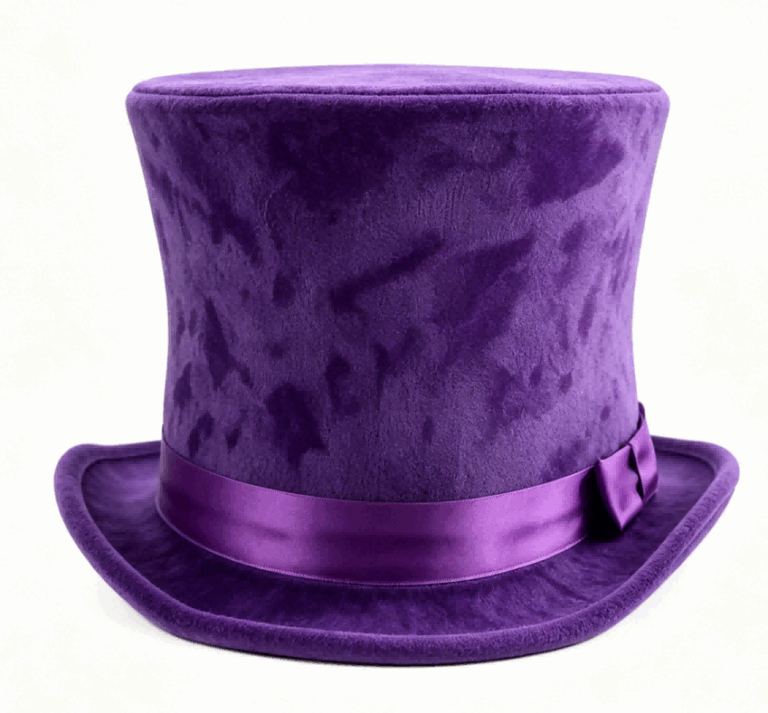
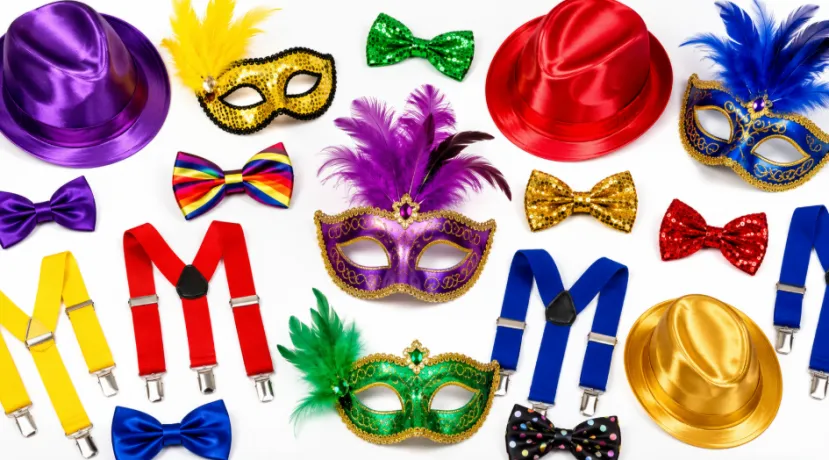
Costumes, hats, bow ties, ties, skirts, aprons, and suspenders use a few main fabrics. You will often see polyester, non-woven fabric, satin, felt, elastic webbing, or blends. Polyester is a top choice. Why? It is light, cheap, and easy to print on. Satin makes bow ties look glossy. Felt is great for fancy hats because it stays stiff.
When picking textile carnival supplies materials, look closely. Check the fabric thickness and sewing strength. Make sure the dye stays put and the cloth feels soft. A cheap outfit might pass a fast glance. But poor sewing at the shoulders or waist might rip at a busy party. It seems small, but smart buyers know it causes huge headaches.
Plastic and Foam Materials
Masks, glasses, headbands, necklaces, and toy props need stiff but cheap parts. Makers often use plastic, EVA foam, PVC, or PP. These keep items light and cheap. For kids’ parties, smooth edges are super important. Watch out for sharp sides, bad smells, or hard plastic that breaks.
For bulk carnival accessories, ask questions. Does it bend enough for normal play? Does the paint rub off easily? A mask definitely shouldn’t snap just from sitting in a box for a few weeks.
Decorative Materials
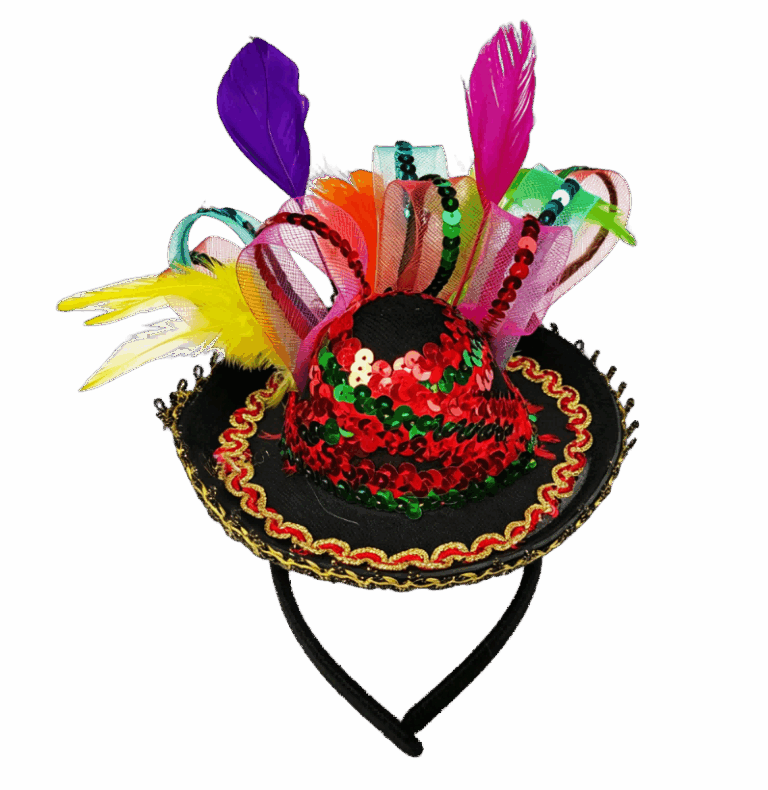
Glitter, sequins, feathers, ribbons, metallic film, fake fur, and printed paperboard are everywhere in carnival party products. They bring that true party vibe. Still, you must check their quality.
Falling glitter, bad glue, loose sequins, and running colors ruin the fun. Do you sell to parade groups or party planners? Small mistakes show up right away in pictures and videos. Nobody wants a costume that looks old before the party even begins.
Which Quality Standards Should Buyers Check?
Good quality rules mostly deal with safety, staying the same, safe packing, and local laws. The exact checks depend on where you sell. Supermarkets, web shops, and party planners often ask for totally different papers.
Physical Safety
Things people wear on their head, neck, face, or body need smooth edges. The sewing must be tight. Straps have to stretch well without breaking. Metal clips on suspenders should bite down hard but not cut fingers. For masks and hats, feeling comfy is key. People wear them for hours at a time.
Chemical Safety
Bad chemicals are a huge worry. You might need to test for lead, phthalates, formaldehyde, azo dyes, and heavy metals. It depends on where you live. Kids’ toys always need tougher tests.
Don’t just look at how pretty items are in the carnival party supplies group. Ask what they are made of. Demand test papers if needed. Make sure tags are legal for your home country.
Color and Printing Quality
Party gear is flashy and colorful for photos. Bad printing fades, cracks, or stains skin and clothes. Got printed bow ties, hats, masks, or costumes? See if the ink rubs off. Check how to wash them. Also, match the sample’s color to the huge final batch to spot changes early.
How Can You Judge Carnival Product Quality Before Bulk Orders?
Samples are not just to see how things look. They stop bad items early. A smart buyer does basic, real-world tests before spending big money.
Check Wear and Touch
Wear the hat. Pull the suspender. Tie the bow tie. Open up the box. These easy steps show if the thing feels good and holds up. Does a headband hurt your head after five minutes? Your shoppers will hate it too.
Check Strength Points
Look closely at the stitches, glued spots, straps, clips, and stretchy bands. These break the fastest. For party clothes and accessories, the worst issues are loose strings, weak glue, and thin cloth. Bad cuts and parts dropping off happen often too.
Check Packaging
Huge orders travel very far. Boxes must guard the shape, colors, and shine. Stuff with feathers, glitter, or big 3D parts needs extra room inside the box. If they get smashed, they look awful before they even hit the store.
Why Does Supplier Experience Matter for Carnival Supplies?
A great seller does more than mail bright boxes. You need steady stock, smart packing, and quick chats when busy seasons shift. Selling party gear is all about timing. If you are two weeks late, you are stuck with the stuff until next year.
YZ Party is a party supplies seller in Yiwu. They make carnival, Christmas, Halloween, foil balloon, and party accessory items. Started in 2010, they help big buyers and trading teams buy everything at once. They sell bow ties, hats, party clothes, masks, necklaces, bags, suspenders, ties, and more.
They have a giant showroom over 2,000 square meters. Their factory and storage space is over 7,000 square meters. YZ Party is perfect for buyers wanting many choices, huge orders, and fresh holiday goods. They ship to 108 countries. This helps buyers find the right items for their home country without guessing every time.
How Should Buyers Compare Carnival Supplies Prices?
Cost is big, but don’t just stare at the price tag. Carnival supplies prices change based on material grade, fabric weight, and how they decorate it. Worker skill, packing, minimum order (MOQ), and testing change the cost too.
Low Price May Mean Hidden Trade-Offs
Cheap carnival supplies are okay for quick parties. But look at what they cut out. Is the cloth too thin? Is the ink weak? Are clips flimsy? Is the box cheap? Sometimes, a tiny price is fine. Other times, it causes angry returns.
Total Order Value Is More Than Unit Price
For big buyers, the real price means more than just the item tag. It includes sample waiting time, broken rates, box strength, and shipping space. Tags and fixing problems later cost money too. A slightly nicer product saves cash later. It stops complaints and brings buyers back.
What Should Be on Your Carnival Supplies Checklist?
Use an easy checklist before you pay. It keeps talk clear. It stops the “this looks weird” problem later on.
Key Buyer Checks
Lock in the material, size, color, packing rule, and logo choices. Check the MOQ, sample okay, box sizes, wait time, and testing steps. For worn stuff, ask about stitches, stretchy parts, smooth edges, and dye leaks. For extras, smell them. Look for small loose pieces, bad glue, and safe touches.
Making a whole holiday set? Look at many party product groups at once. This ensures the colors, vibes, and costs match your big sales plan perfectly.
FAQ
Q1: What Materials Are Commonly Used in Carnival Supplies?
A: Makers mostly use polyester, satin, felt, non-woven fabric, EVA foam, PP, and PVC. They add glitter, sequins, ribbons, and stretchy bands. The right pick depends on how people wear or hold the item.
Q2: What Carnival Supplies Quality Standards Should Buyers Check?
A: Always look at physical safety, chemical safety, strong sewing, and lasting dye. Also check ink quality, smooth edges, tough boxes, and local tags.
Q3: How Can Buyers Test Carnival Supplies Before Bulk Purchase?
A: Buy samples early. Wear them, pull them, and rub the ink. Look at the glue, check the stitches, and inspect the box. These easy steps spot many bad problems fast.
Q4: Why Do Carnival Supplies Prices Vary So Much?
A: Costs jump around because of cloth thickness, fancy add-ons, and worker care. Packing, safe tests, MOQ, and hard orders change prices too. Cheaper items often use thin parts.
Q5: How Can You Choose a Reliable Carnival Supplies Supplier?
A: Pick a team with lots of items and long shipping history. They must talk clearly, send good samples, and check quality hard. For holiday items, fast chats and smart stock plans are just as important as pretty items.